
Welcome to a fresh perspective on eating sustainably! If you’re passionate about nurturing your body while also caring for our planet, this guide is for you. Let’s embark on a culinary journey that is as kind to your health as it is to the Earth.
Table of Contents
- Understanding the Carbon Footprint of Food
- Fruits and Vegetables: The Greener Choices
- Sustainable Protein Sources
- The Low-Down on Dairy and Alternatives
- Whole Grains: The Best Bang for Your Buck
- Smart Snacking for You and the Planet
- Summarizing the Sustainable Choice
Understanding the Carbon Footprint of Food
Let’s start with the basics. The carbon footprint of food refers to the greenhouse gas emissions produced during its lifecycle. This includes cultivation, harvesting, processing, packaging, and transportation. It’s a complex web, but one you can navigate with ease by making informed choices.
Fruits and Vegetables: The Greener Choices
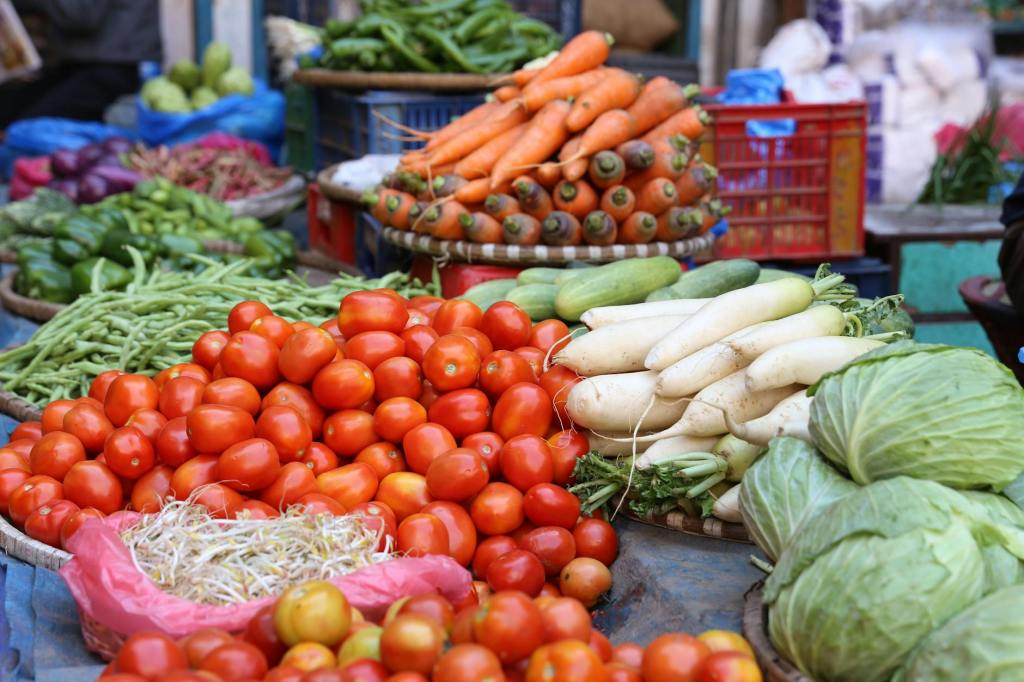
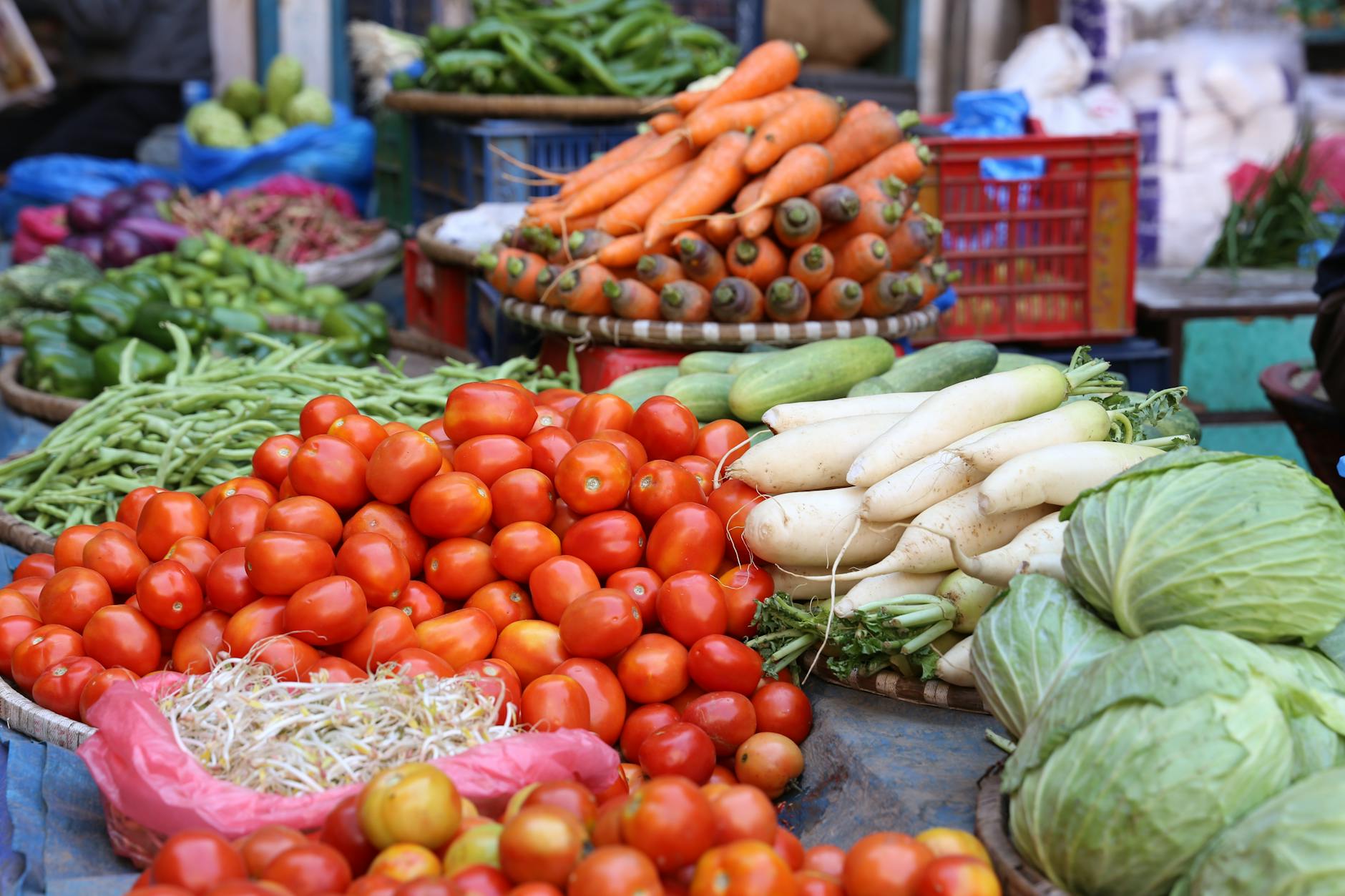
Here’s your first takeaway: not all produce is created equal when it comes to carbon emissions. Opt for local and seasonal veggies and fruits whenever possible. Transportation is a hefty contributor to food’s carbon footprint, so eating locally can drastically reduce this. Enjoy fresh berries in summer and crisp apples in the fall – your palate and planet will thank you.
Sustainable Protein Sources
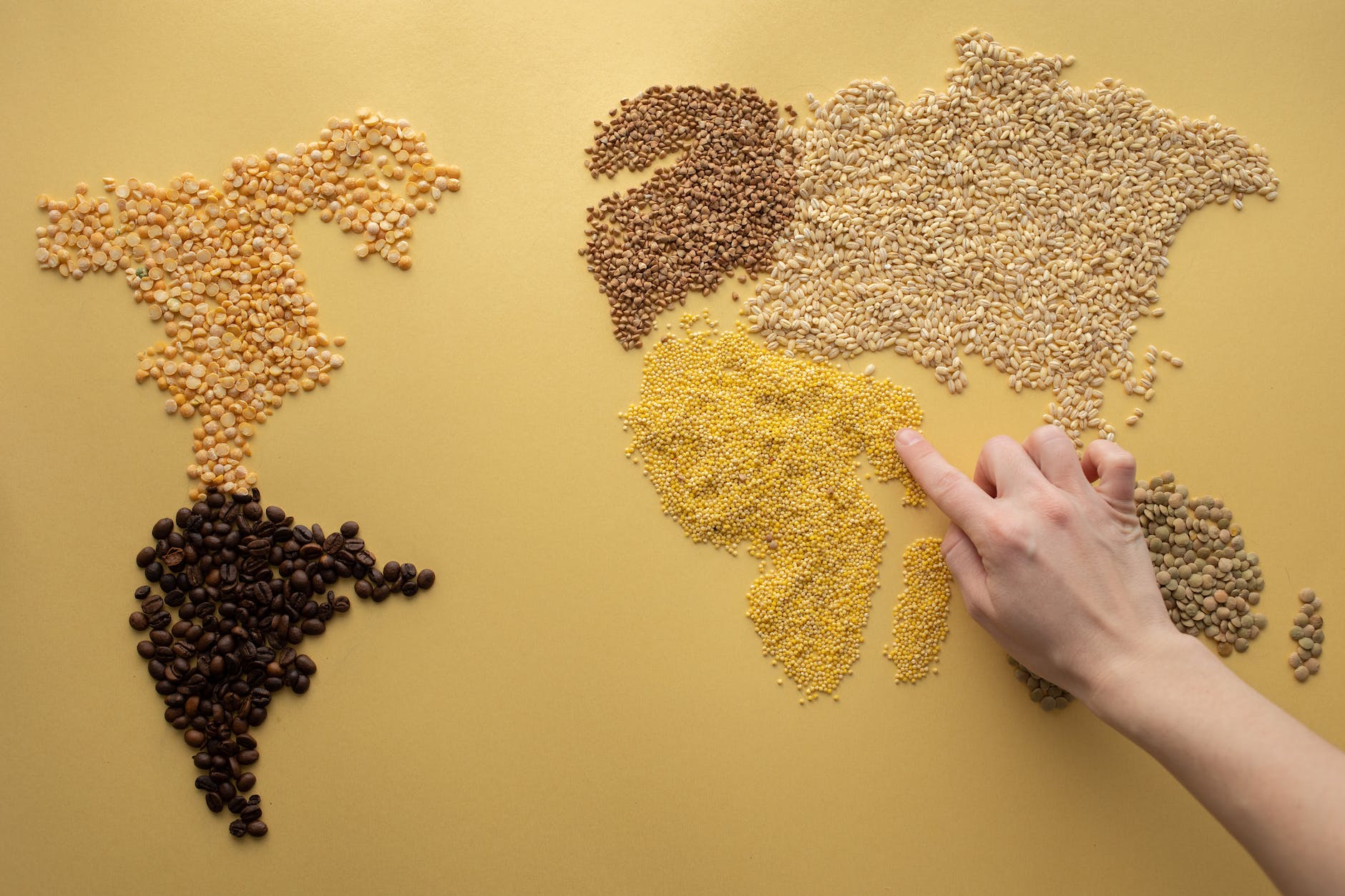
Switching to plant-based protein like lentils, beans, and chickpeas can significantly reduce your carbon footprint. If you enjoy meat, consider sources like chicken or sustainably caught fish over beef or lamb, which have a larger impact on the environment.
The Low-Down on Dairy and Alternatives
Dairy can be a tricky subject. However, you’ve got options! Plant-based alternatives such as almond milk or oat milk usually carry a lower carbon footprint than cow’s milk. Check the labels for unsweetened versions to keep it health-friendly, too.
Whole Grains: The Best Bang for Your Buck
Whole grains like oats, barley, and brown rice are not only rich in nutrients but generally have a lower carbon footprint than refined grains. They require less processing and packaging, and they also keep you fuller for longer – talk about a win-win!
Smart Snacking for You and the Planet
Ever thought about the impact of your midday munch? Nuts and seeds are nutrient-packed snacks that, in moderation, offer a great energy boost with a relatively small carbon footprint. Just remember to choose raw or dry-roasted varieties without extra oils or salts.
Summarizing the Sustainable Choice
To wrap up, eating in an eco-conscious manner is about making small, achievable swaps and choosing foods that benefit your health and the world around you. Let’s go through the highlights:
| Key Concepts | Summary |
|---|---|
| Local and Seasonal Produce | Choosing produce that’s local and in season reduces transportation emissions. |
| Plant-Based Protein over Animal Sources | Plant-based proteins often have a smaller carbon footprint than meat, especially red meat. |
| Dairy Alternatives | Plant-based milks often have a lower carbon footprint than cow’s milk. |
| Whole Grains over Refined Grains | Whole grains require less processing and are a more sustainable choice. |
| Sustainable Snacking | Choose snacks like nuts and seeds that are not only healthy but also have a lower carbon footprint. |
Remember, every bite you take can be a vote for the environment. Let’s make each meal a step toward a more vibrant and sustainable future!



 THE GREEN LIZARD
Leave a comment